
Because the Best Security Is Often Invisible
When it comes to protecting your most valuable jewelry, sometimes the most effective strategy isn’t just a strong safe—it’s a safe that can’t be found at all.
Hidden jewelry safes offer a powerful layer of passive security by staying out of sight, reducing the risk of tampering or theft even before protection mechanisms kick in. For homeowners who value both discretion and design continuity, hidden safes deliver peace of mind without disrupting the aesthetics of a space.
This guide walks through the different types of hidden safes, installation options, design considerations, and what to know before integrating one into your home.


What Is a Hidden Jewelry Safe?
A hidden jewelry safe is a secure, often custom-built safe that’s placed in a concealed location or integrated into furniture, cabinetry, or architectural elements. These safes are built to be:
- Visually undetectable at a glance
- Accessible to the owner without drawing attention
- Anchored or embedded into the structure of the home
Rather than sitting in plain sight, they take advantage of unused or overlooked areas like behind mirrors, within drawer units, or inside walls.
Why Go Hidden?
1. Preventing Discovery in the First Place
Most residential burglaries are short—8 to 10 minutes on average. Hidden safes are unlikely to even be discovered, let alone accessed.
2. Design Preservation
Homeowners often want security without visual clutter. Hidden safes maintain the integrity of:
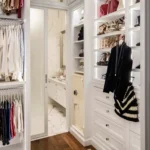
- Walk-in closets
- Custom cabinetry
- Master bedroom suites
- Dressing rooms or vanities
3. Multi-Layered Security
Concealment adds a first line of defense. If paired with a fire-rated, burglary-tested safe, it provides both passive and active protection.
Types of Hidden Jewelry Safes
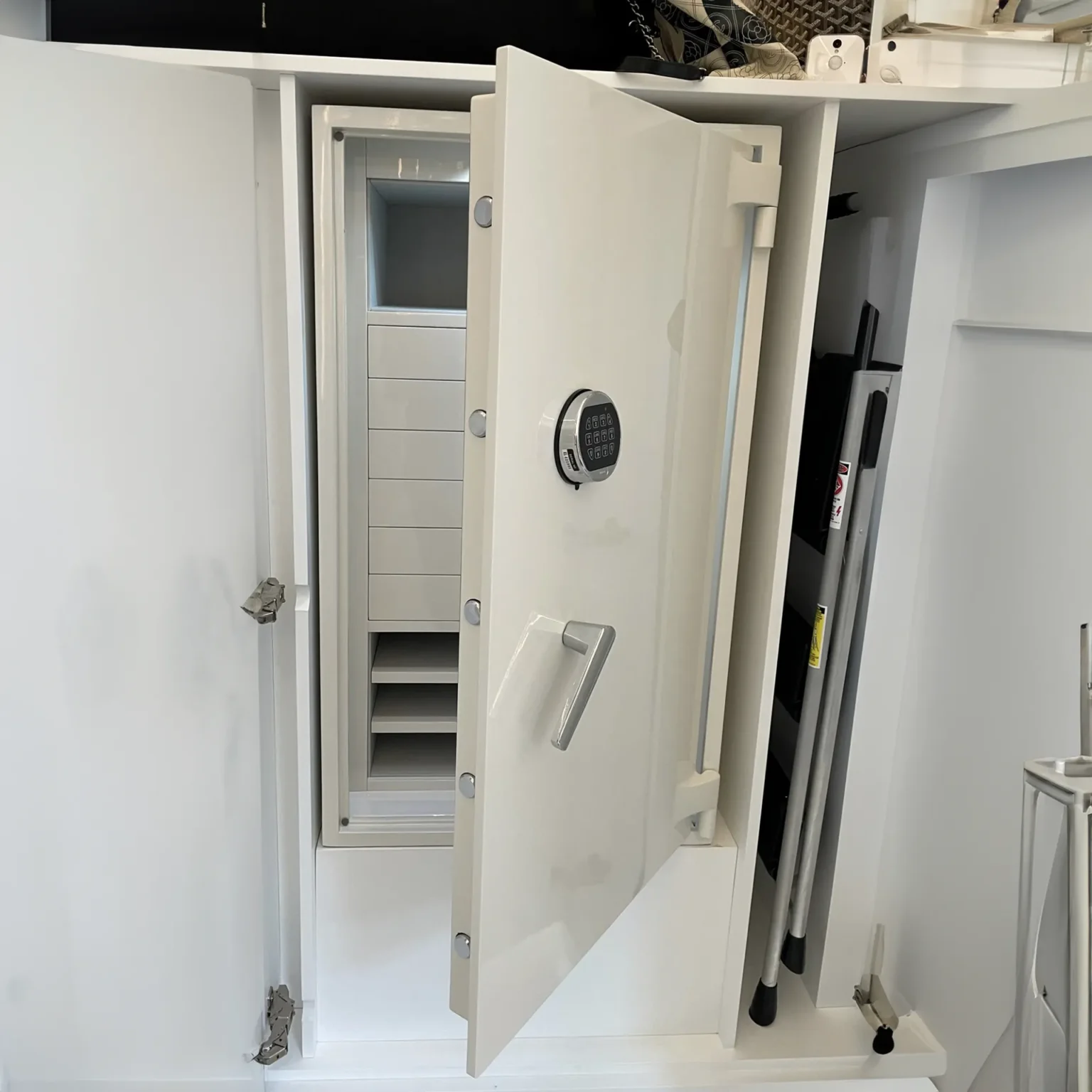
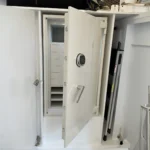
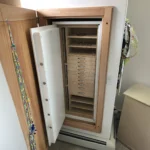
1. Wall-Mounted Behind Panels or Mirrors
- Installed between standard wall studs
- Covered by art, a mirror, or paneling
- Accessible with a latch, magnetic release, or mechanical trigger
Great for keeping slim-profile safes out of sight in closets or bedrooms.
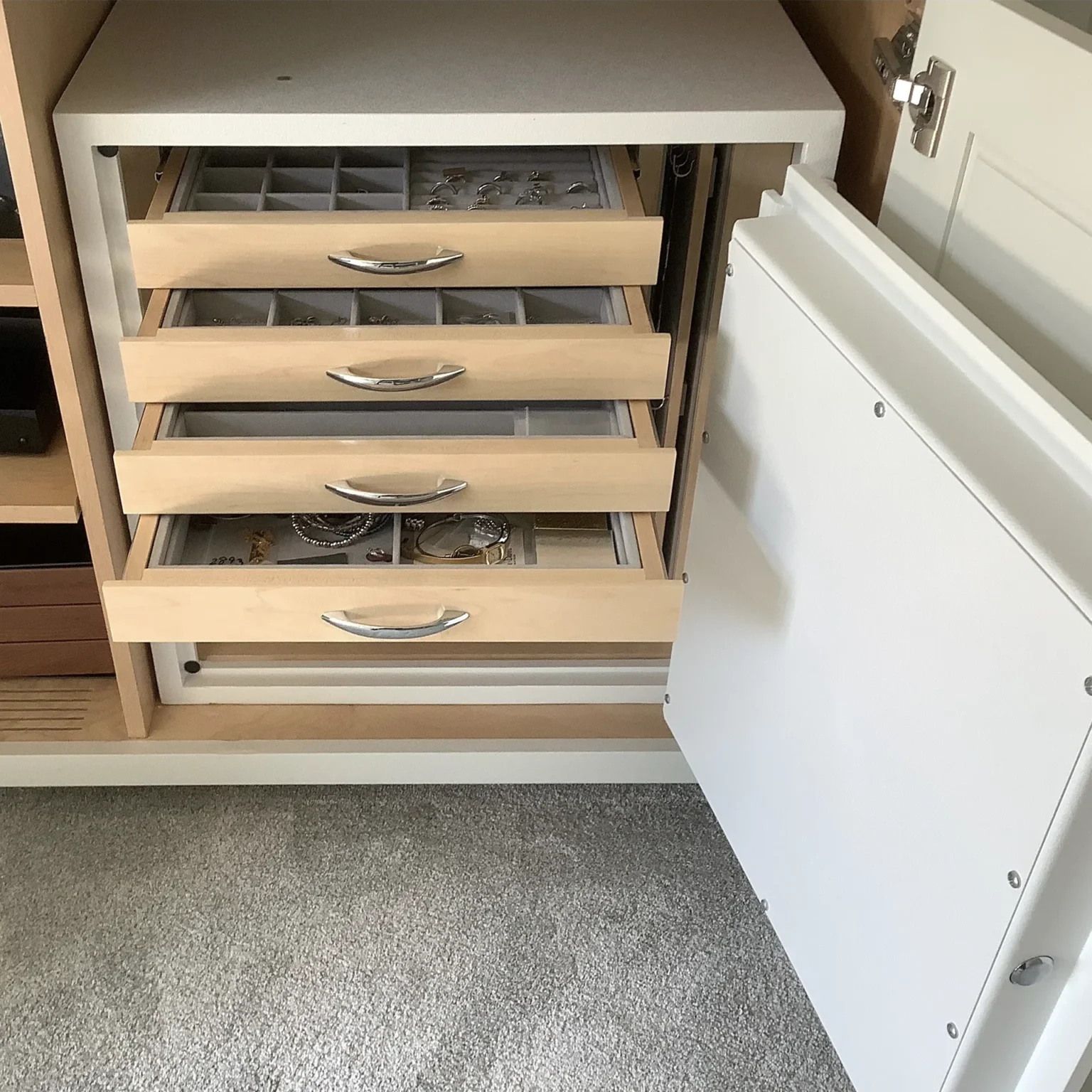
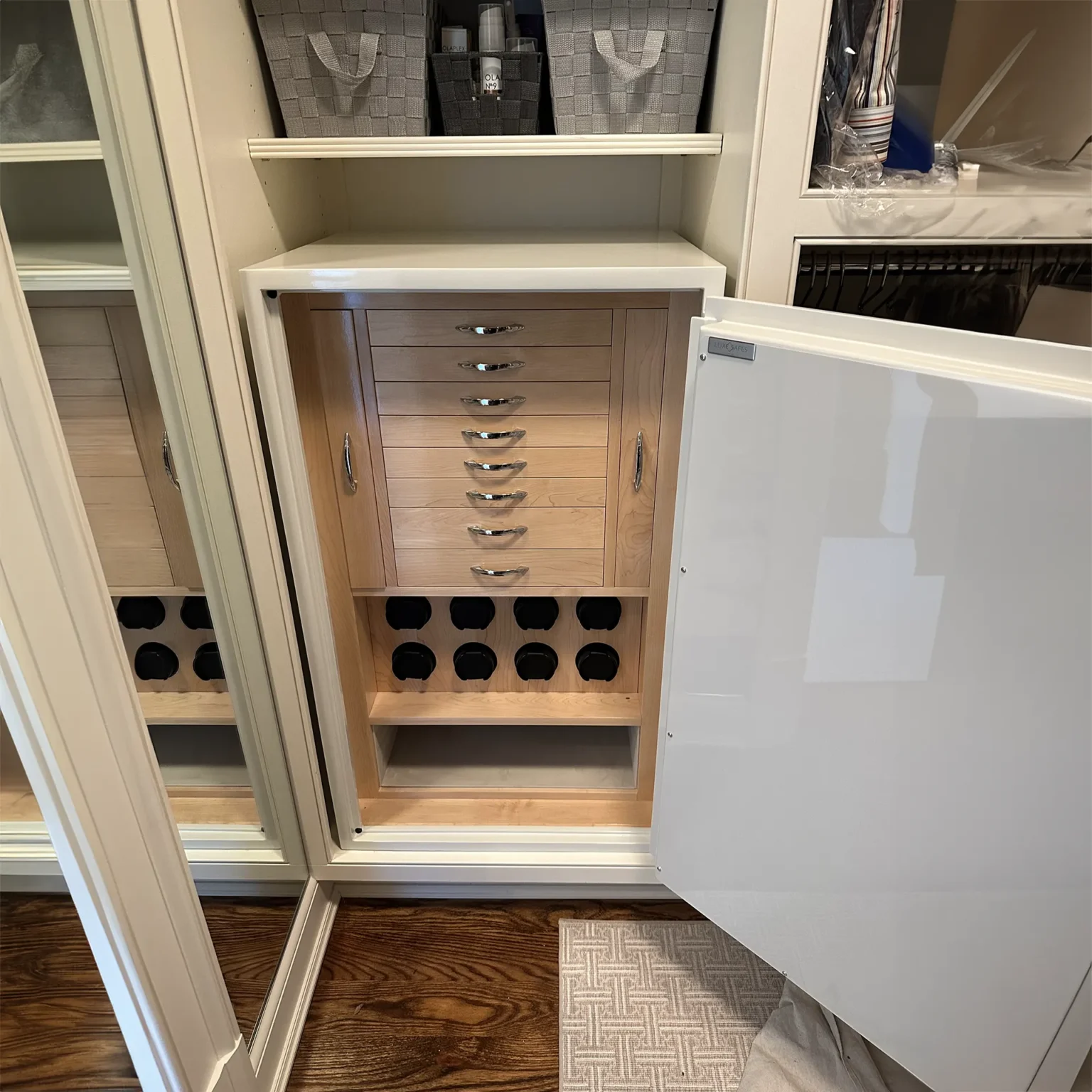
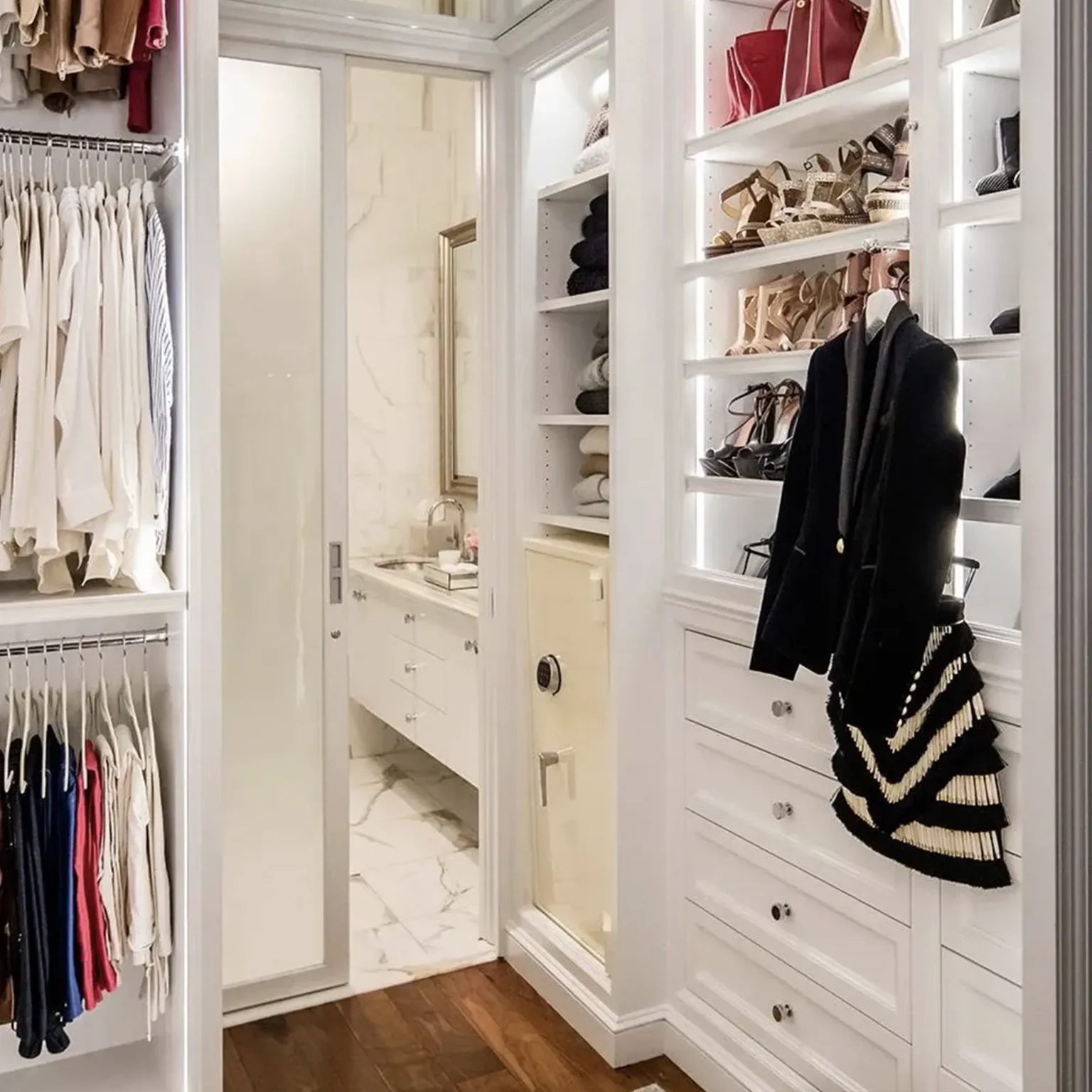
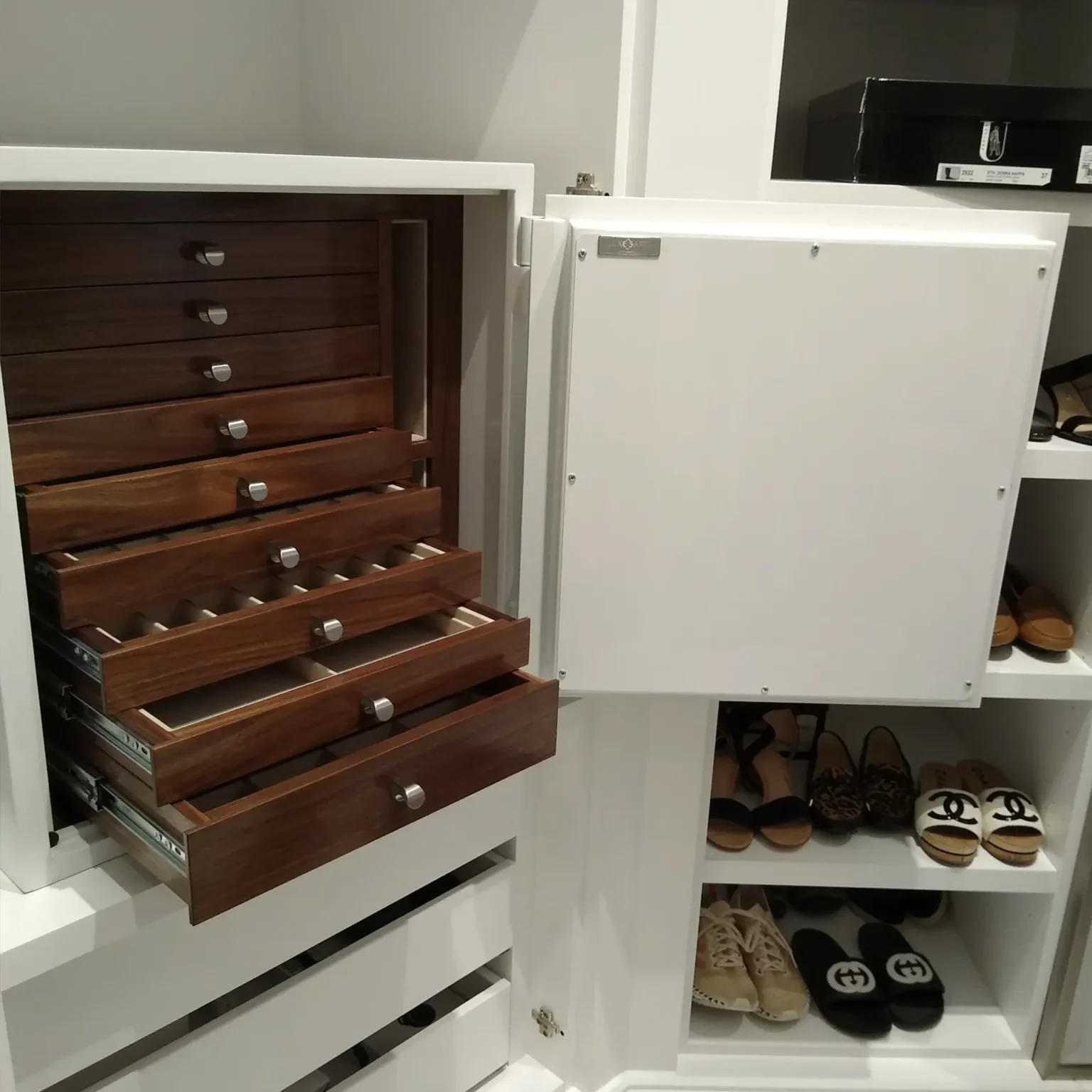
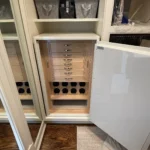
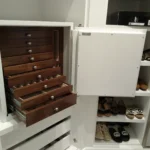
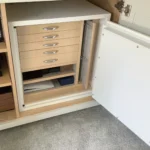
2. Built Into Closet Islands or Furniture
- Designed to match the wood grain and hardware of drawers or cabinetry
- Accessed via disguised pull-outs or push-to-open panels
- Can include velvet-lined jewelry trays and LED lighting
Often installed in partnership with closet designers.
3. Floor Safes with Rug or Panel Coverings
- Embedded into the floor, flush-mounted
- Covered by a rug, mat, or custom flooring panel
- Require more installation planning but offer maximum concealment
Often paired with mechanical or digital locks for secure access.
Tailor Designed to Match Your Requirements
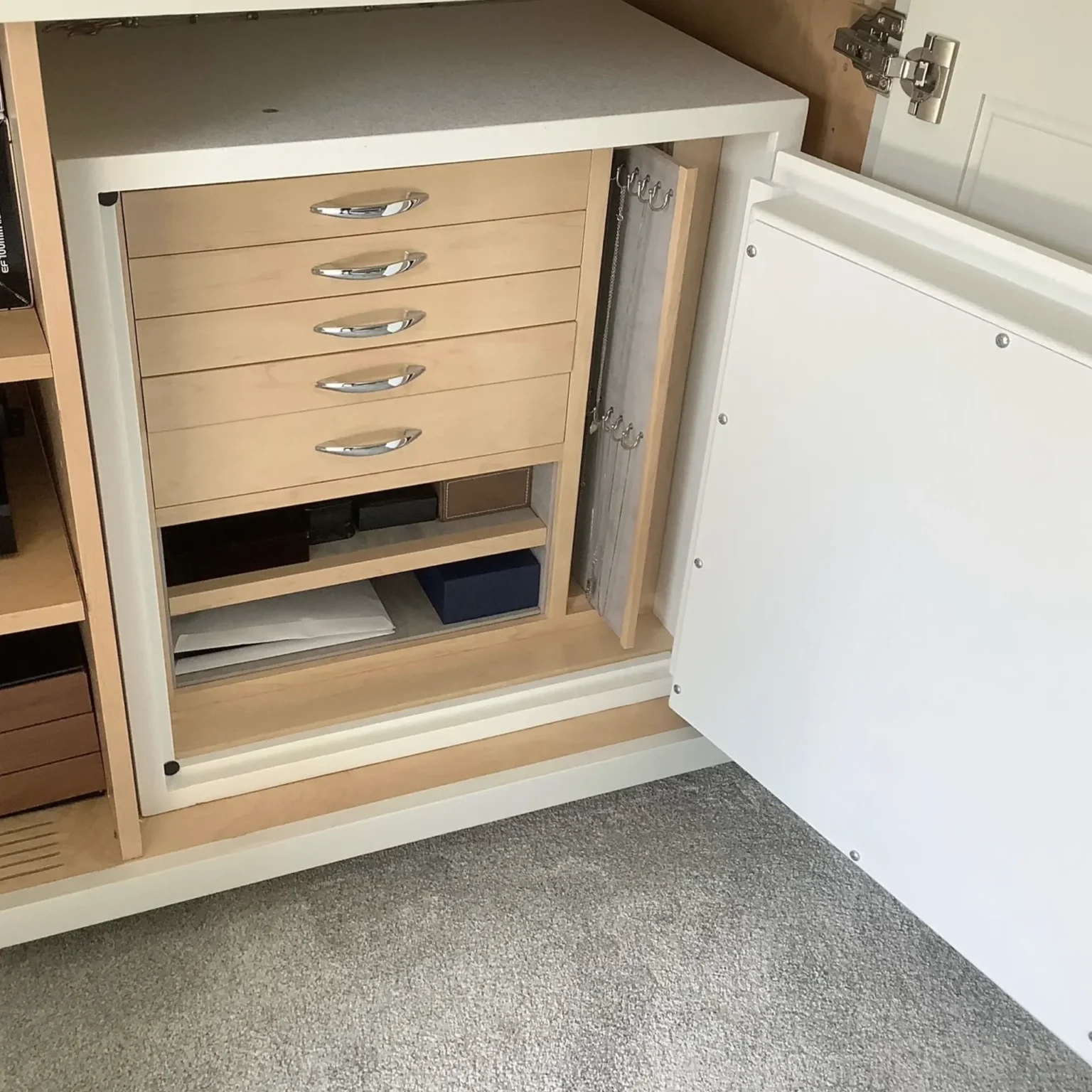
Fully Custom Jewelry Safes: Any size. Any color. Any interior. Configure drawers for rings, watches, necklaces, and more. Designed to seamlessly fit your home’s style and space. From bold, high-gloss finishes to hidden-in-plain-sight installations, your jewelry safe will be one of a kind—crafted by our expert team to reflect your taste and meet your specific security goals.
get a quote4. Drawer-Within-a-Drawer Designs
Hidden compartments inside a dresser or vanity. Often overlooked even during close searches. Suitable for smaller collections or daily-wear pieces.
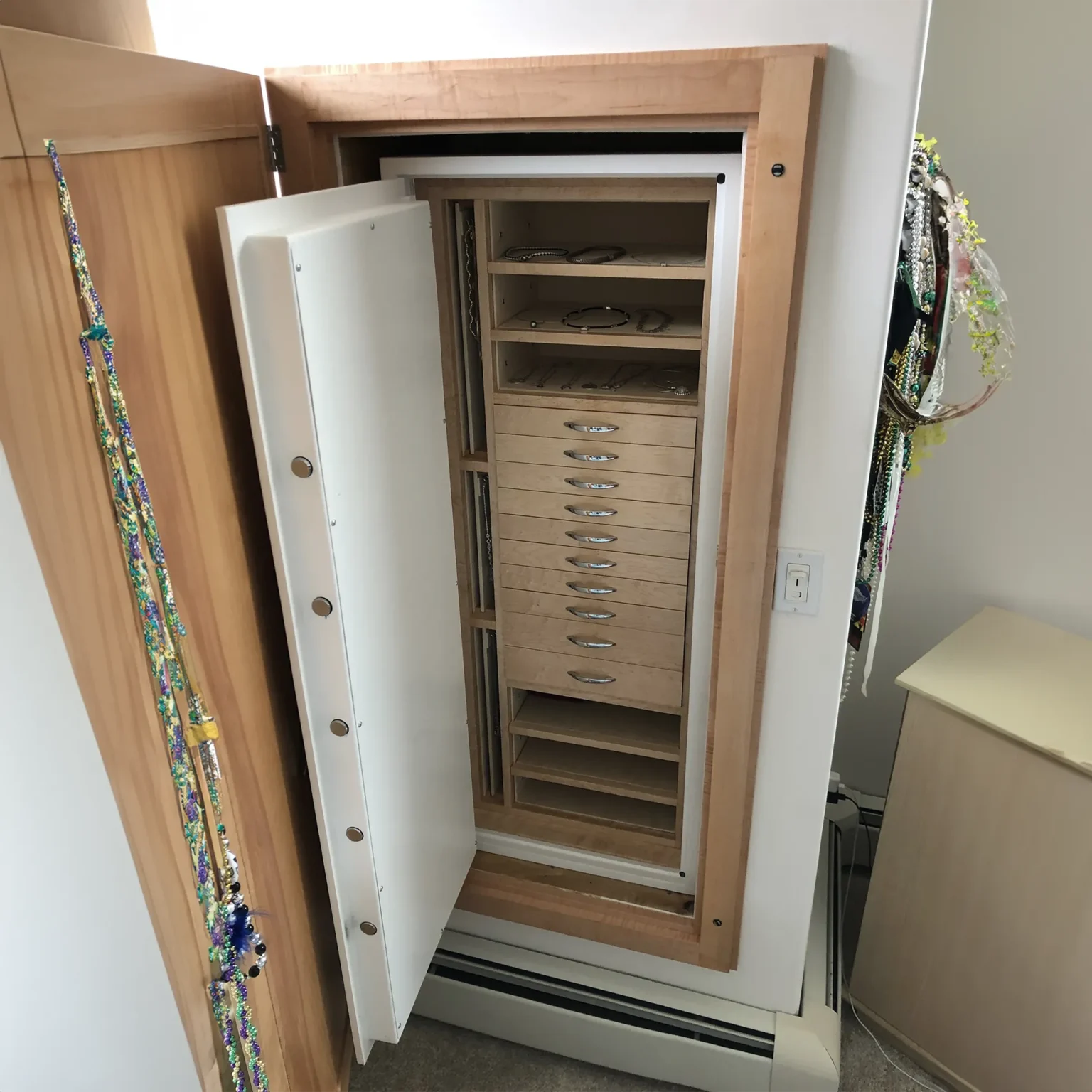
5. Custom Architectural Integration
Hidden behind millwork, fireplace mantels, or recessed walls. Blends seamlessly with the room’s architecture. Ideal for luxury homes and high-end builds where security is discreet by design.
What to Look For in a Hidden Jewelry Safe
1. Fire & Theft Ratings
Hidden doesn’t mean unprotected. Look for:
- UL RSC burglary rating or better
- 1–2 hour UL Class 350 fire rating
- Solid steel door construction (1/2″ or more)
2. Quiet Access
- Soft-close drawers
- Silent keypad access
- No loud mechanical dials
3. Jewelry-Focused Interiors
- Velvet-lined trays
- Separate compartments for rings, necklaces, and watches
- Optional lighting for visibility in tight spaces
4. Anchoring and Reinforcement
Even when concealed, a safe should be bolted down or built into structural supports. Custom installs often involve:
- Reinforcing wall studs or cabinetry
- Protecting access points with tamper alerts or reinforced latches
Installation Tips for Hidden Jewelry Safes
- Work with a builder or interior designer if possible—especially for cabinetry or built-in solutions
- Measure access clearance—don’t install in places where tight corners or shelves will obstruct opening
- Avoid moisture-prone areas (near bathrooms, exterior walls)
- Use professional installers to ensure both concealment and anchoring are handled correctly
Recommended Hidden Jewelry Safe Solutions
- Gardall Concealed Wall Safe (JS1718-W-C)
Slim profile, mounts between studs, covered easily by artwork or mirror, includes lined interior drawers. - Casoro Custom Concealed Units
Designed to blend into cabinetry, fire and burglary rated, custom interiors available. - LuxeSafes Bespoke Hidden Safe Builds
Fully concealed within closet systems, millwork, or architectural features. Tailored to client preferences—no visible hardware, matched woodwork, hidden panels. Designed in partnership with luxury home builders or millwork contractors.
Who Should Consider a Hidden Jewelry Safe?
- Collectors who want protection without display
- Families with household staff or frequent visitors
- Clients in high-end homes where design continuity matters
- Anyone with daily-wear jewelry who prefers quick but private access
FAQs
Are hidden safes less secure than traditional safes?
Not inherently. A well-built hidden safe with proper burglary and fire ratings can offer equal—if not better—protection due to its concealment.
Can I install a hidden safe myself?
For basic wall safes, possibly. But for anything integrated into cabinetry, flooring, or millwork, a professional installation is recommended to ensure both security and discretion.
What’s the best way to hide a wall safe?
Behind a hinged mirror, custom art panel, or inside a closet with matching finishes. Many clients also opt for touch-latch panels with no visible hardware.