
Why Choosing the Right Jewelry Safe Matters
Most people think of a safe as a metal box with a lock. But if you’re storing fine jewelry at home—heirlooms, investment pieces, or anything personally irreplaceable—then a generic safe won’t offer the protection, organization, or accessibility you really need.
The challenge? The internet is full of options, most of them designed for mass-market consumers. What’s missing is real guidance—especially if your needs go beyond a fireproof box shoved under the bed.
This guide walks through what actually matters when choosing the best jewelry safe for home use: security, fire protection, placement, customization, and most importantly—fit for your lifestyle.
What Makes a Jewelry Safe “Good” vs. “Right” for Home Use
There’s no one-size-fits-all answer. But there are five core factors to weigh when evaluating your options:
1. Security Rating and Construction
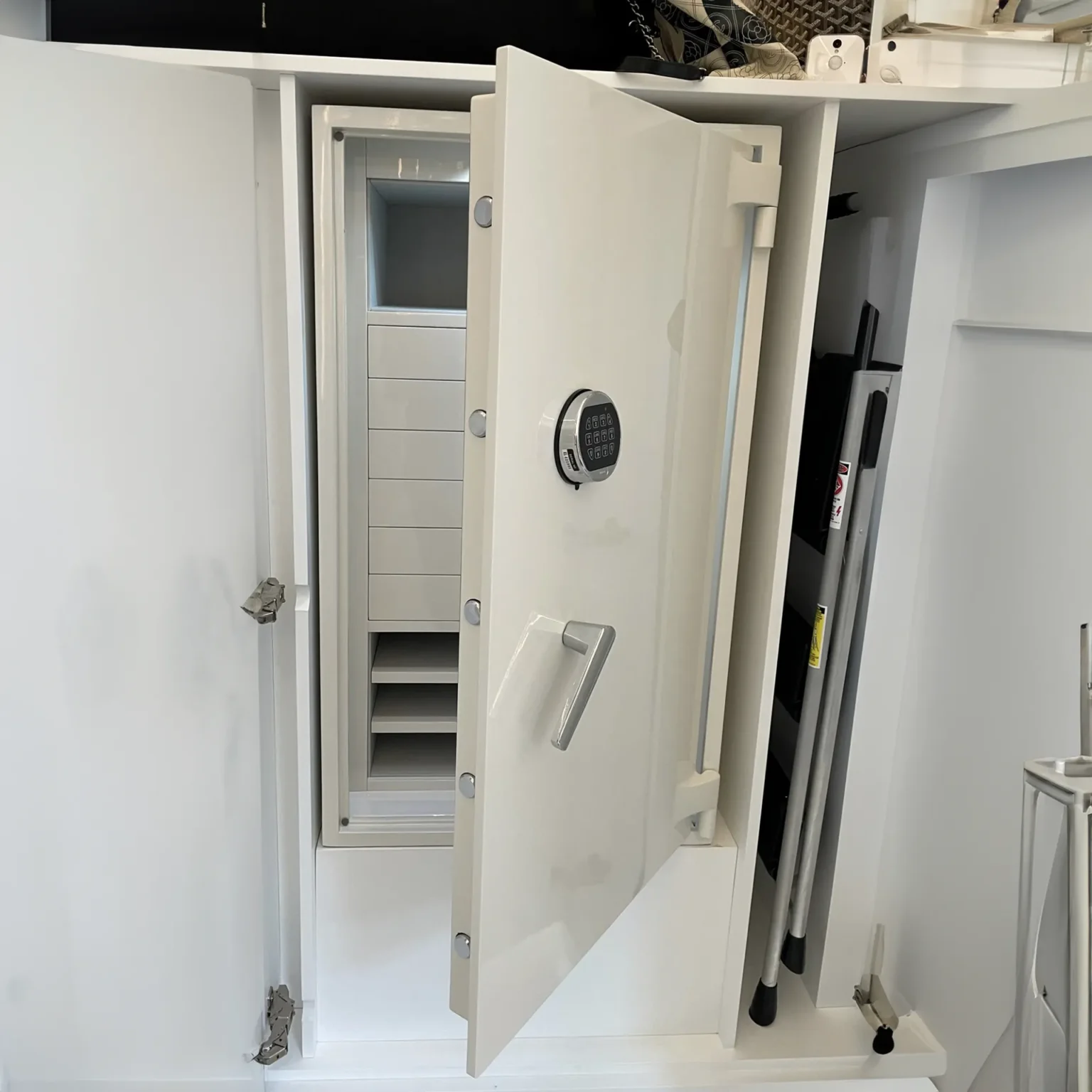
Look for UL (Underwriters Laboratories) or TL (Tool-Resistant) ratings—these aren’t just marketing terms, they’re standardized tests that measure how resistant a safe is to break-ins. UL RSC (Residential Security Container) is the entry level, often enough for home environments. TL-15 or TL-30 safes are rated against tool attacks for 15 or 30 minutes, respectively, and are used when theft risk is higher. The construction materials also matter. Avoid thin-gauge steel or safes with hollow panels—these are easy to breach.
Tailor Designed to Match Your Requirements
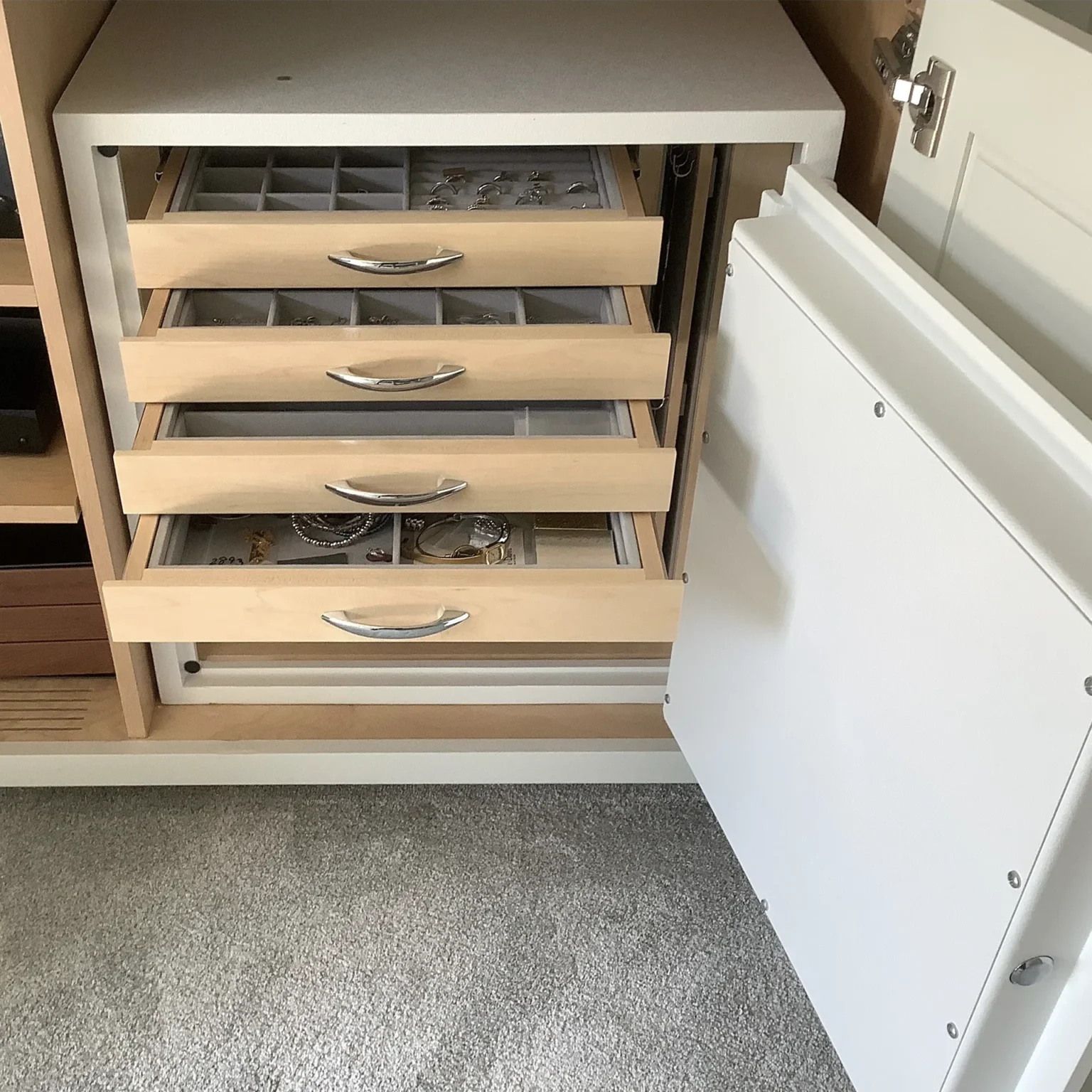
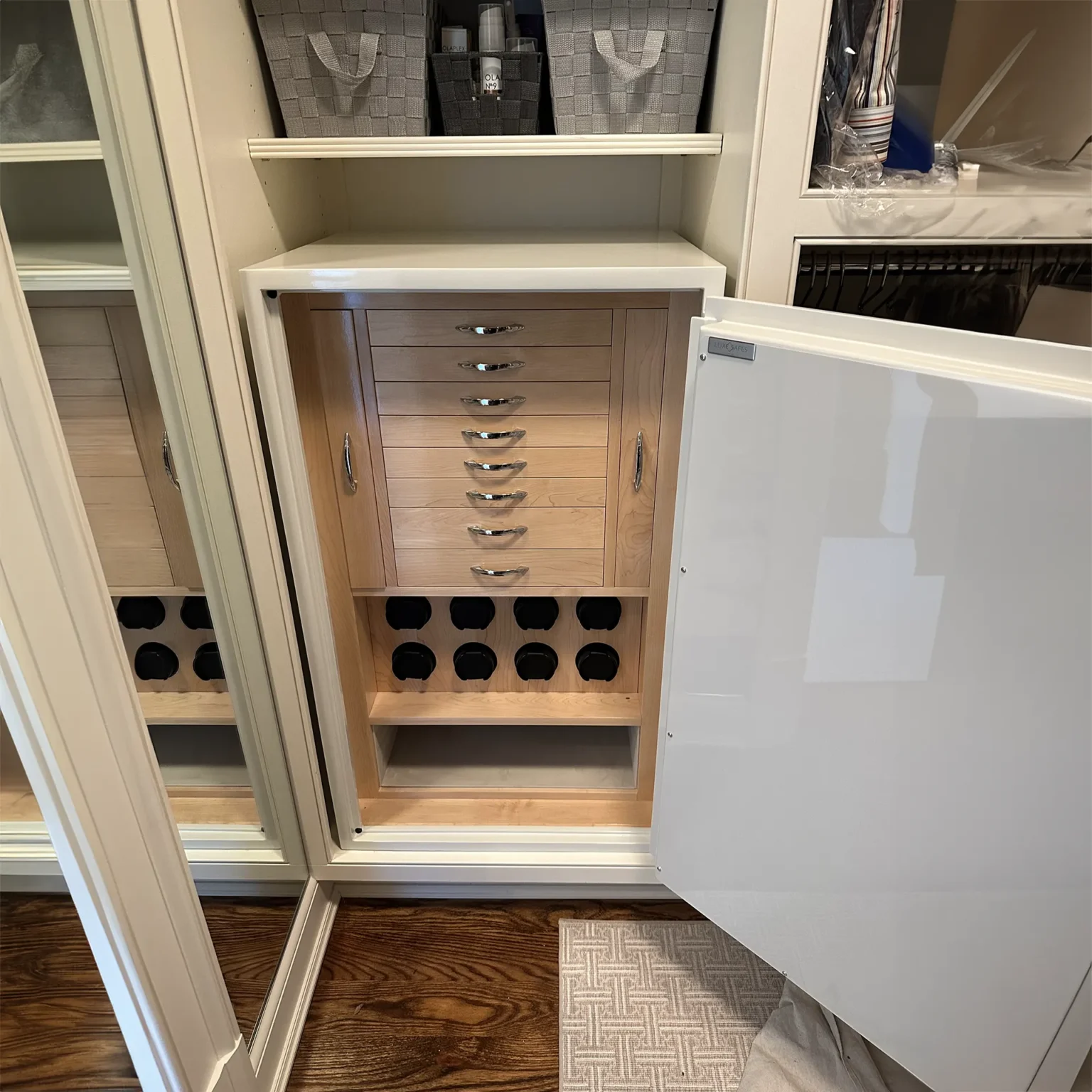
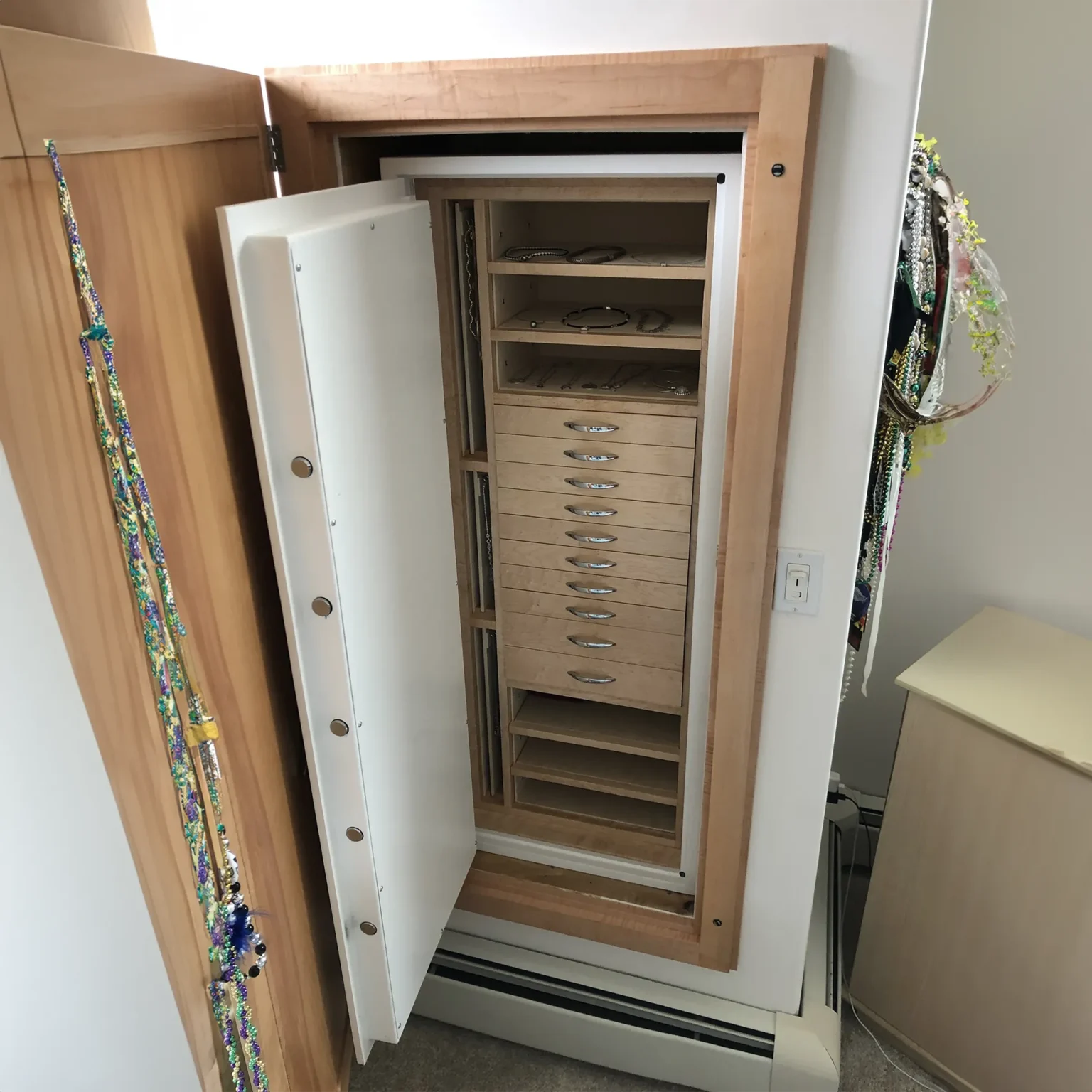
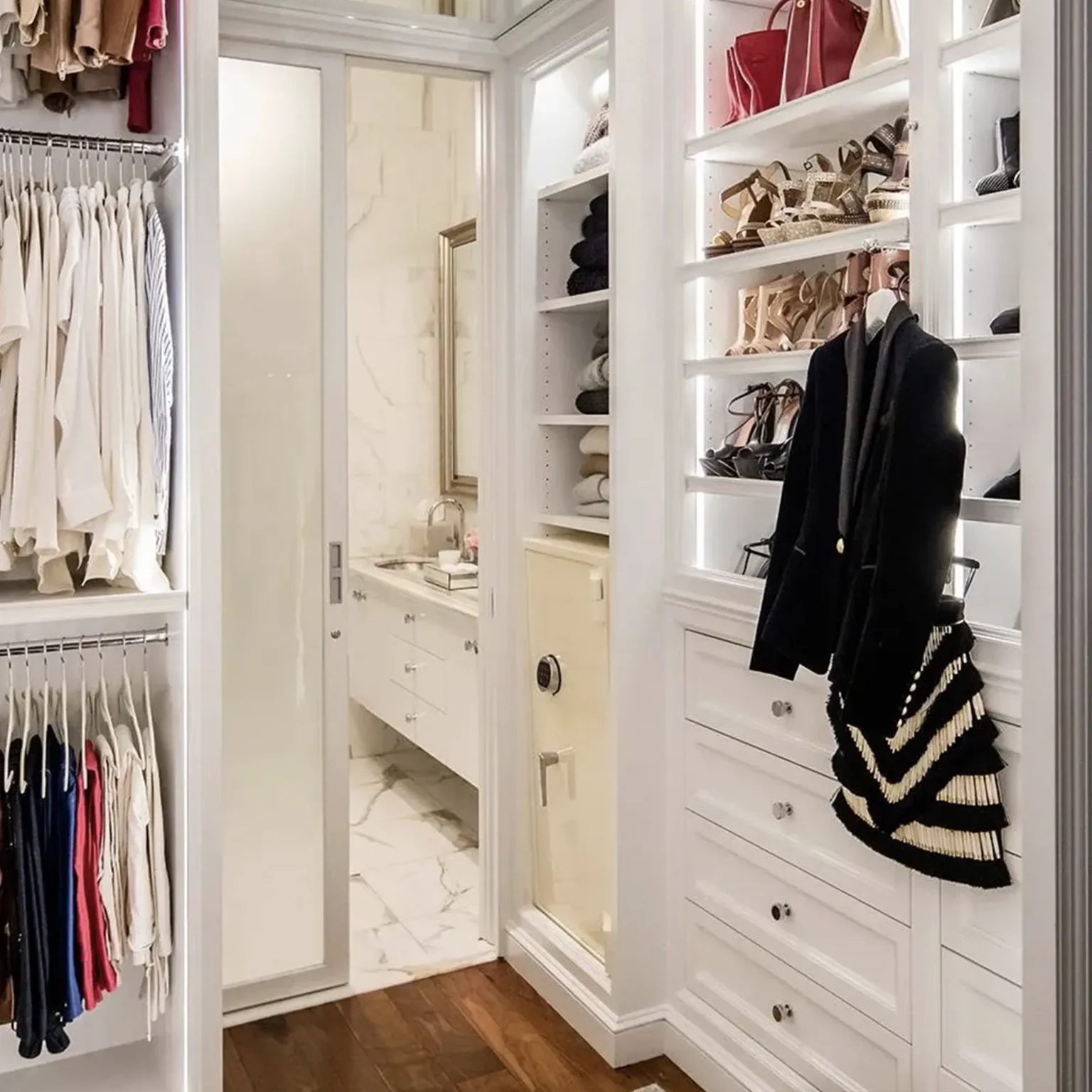
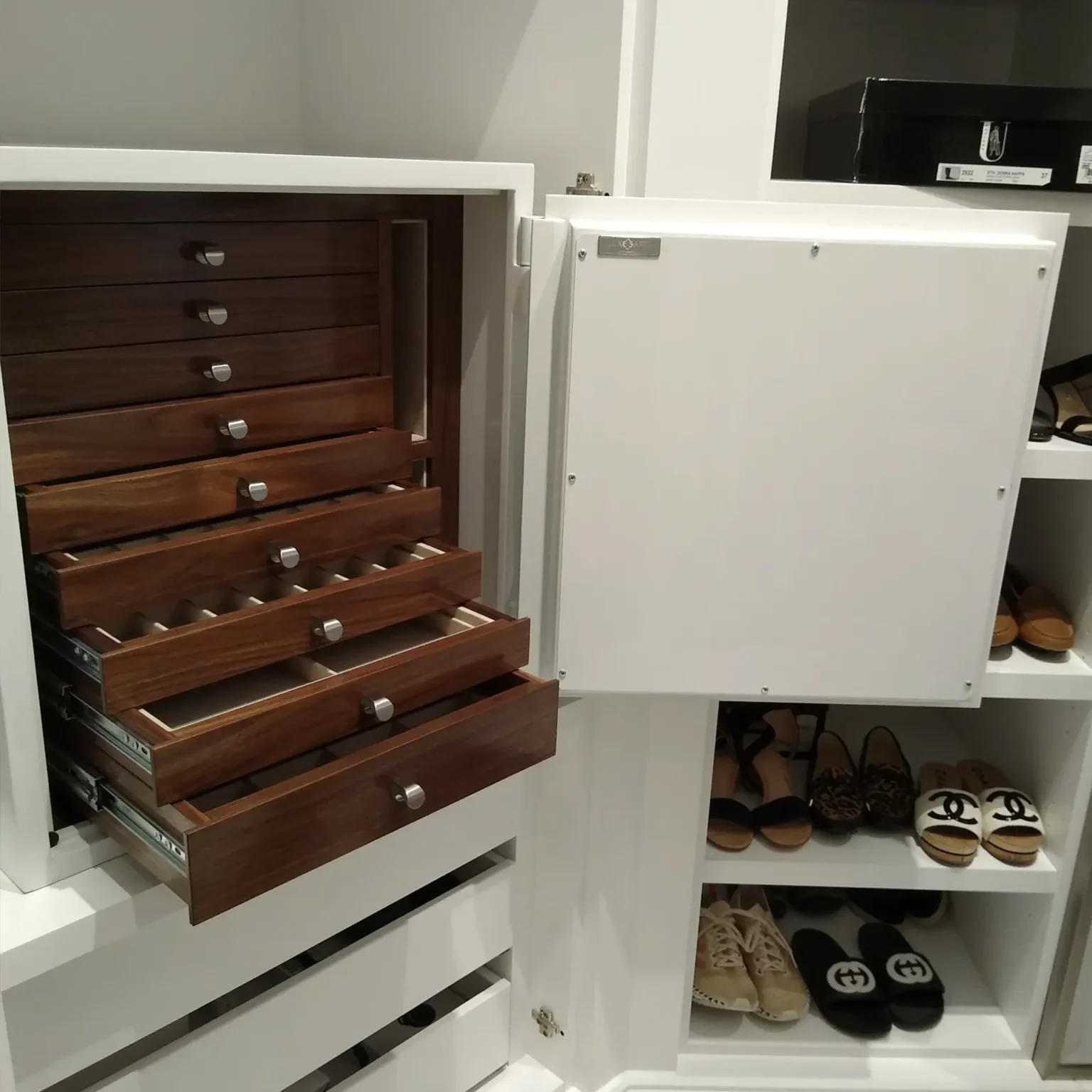
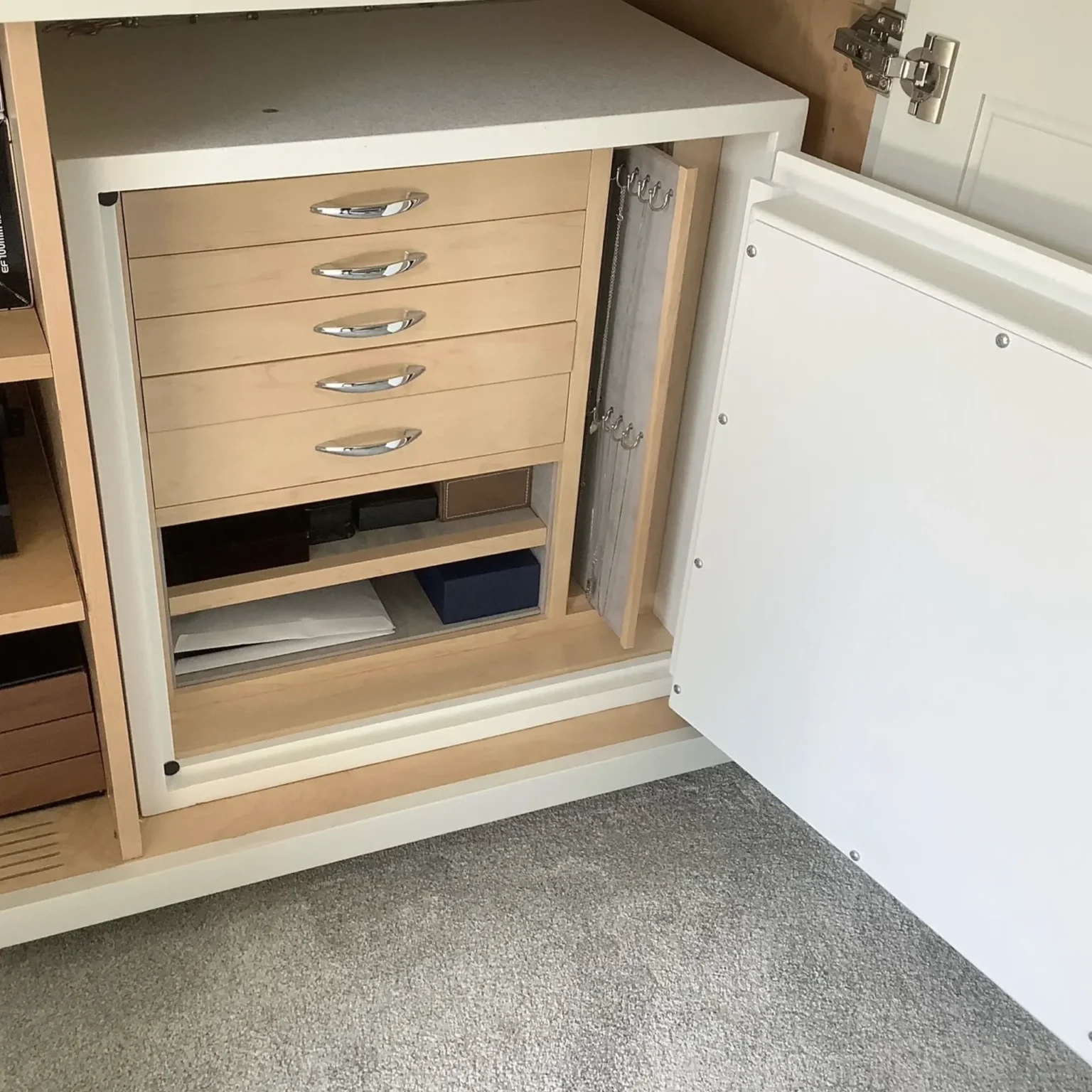
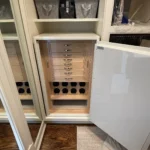
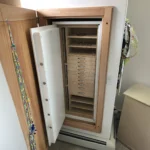
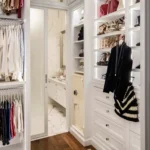
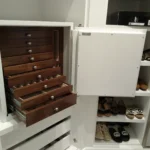
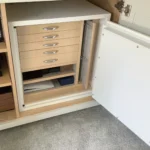
Fully Custom Jewelry Safes: Any size. Any color. Any interior. Configure drawers for rings, watches, necklaces, and more. Designed to seamlessly fit your home’s style and space. From bold, high-gloss finishes to hidden-in-plain-sight installations, your jewelry safe will be one of a kind—crafted by our expert team to reflect your taste and meet your specific security goals.
get a quote2. Fire Protection That Works for Jewelry
Here’s something most people don’t realize: not all fireproof safes are safe for jewelry. Paper ignites at ~450°F. Jewelry—especially pearls and certain gemstones—can be damaged at lower temperatures, and gold melts at around 1,948°F. But it’s not just the melting point you have to worry about—it’s smoke, moisture, and sustained heat exposure. Look for:
- UL Class 350 fire rating
- At least 1-hour fire resistance
- Moisture and smoke seals (some safes trap condensation inside during fires)
3. Interior Organization
This is where most generic safes fall short. Jewelry safes should have:
4. Installation and Placement
The “best” safe in the world isn’t useful if it’s too hard to access—or too easy to find. Common residential placement options:
5. Discretion and Aesthetics
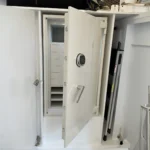
While not a functional “need,” design matters—especially when the safe is part of your living space. Some homeowners want a safe that blends seamlessly with their décor. Others prefer a more industrial look, or a safe hidden entirely behind a false panel. In any case, avoid loud branding or glossy finishes unless intentionally styled. The best safes are often the ones that don’t call attention to themselves.
What Size Jewelry Safe Should You Buy?
This depends entirely on what you’re storing now—and how your collection might grow.
- Small safe (~0.8–1.2 cu. ft.): Ideal for a few rings, watches, or pieces you wear regularly.
- Medium (~1.5–2.5 cu. ft.): Best for growing collections or shared safes between partners.
- Large (3+ cu. ft.): Designed for expansive collections or additional valuables (documents, passports, etc.).
Tip: Always go one size larger than you think you need. You’ll never regret the space.
Best Jewelry Safe Features for Modern Homes
- Biometric Locks: Fingerprint access is fast and secure, but should be paired with backup keys or PINs.
- Audit Trails: Some digital safes log access attempts, which can be helpful for estate management or shared use.
- Internal Lighting: LED lighting makes all the difference when accessing small pieces.
- Dual Locking Systems: Mechanical + digital locks increase both reliability and security.
- Watch Winders: A premium feature for timepiece collectors—integrated into the safe itself.
A Word on Insurance
Many insurance providers require:
- Proof of safe rating (e.g., UL RSC or TL-15)
- Bolt-down installation
- Photographic inventory of contents
Installing a properly rated safe can often reduce your premiums, and in some cases, be a requirement for high-value riders.


When a Custom Safe Is the Better Option
You’ve probably seen hundreds of jewelry safes online that promise everything for $199.99—but mass-market safes are rarely built to handle real-world, high-value collections.
A custom safe doesn’t mean overkill. It means:
- Interior design that actually fits what you own
- Aesthetic options that match your space
- Support from people who’ve done this hundreds of times before
Custom is not about being fancy. It’s about being practical, precise, and lasting.
🔗 Related Resources on LuxeSafes.com
- Jewelry Safe with Drawers
- Fireproof Jewelry Safes
- Luxury Jewelry Safes for Sale
🙋♂️ Want Help Finding the Right Fit?
LuxeSafes specializes in bespoke safes for private clients, estate planners, and collectors. If you’re unsure what kind of safe is right for your space, we’re happy to help you figure it out—no pushy sales talk, just 30+ years of experience in secure storage.