
Gem Guard TL15
The insurance industry’s most popular residential high security safe
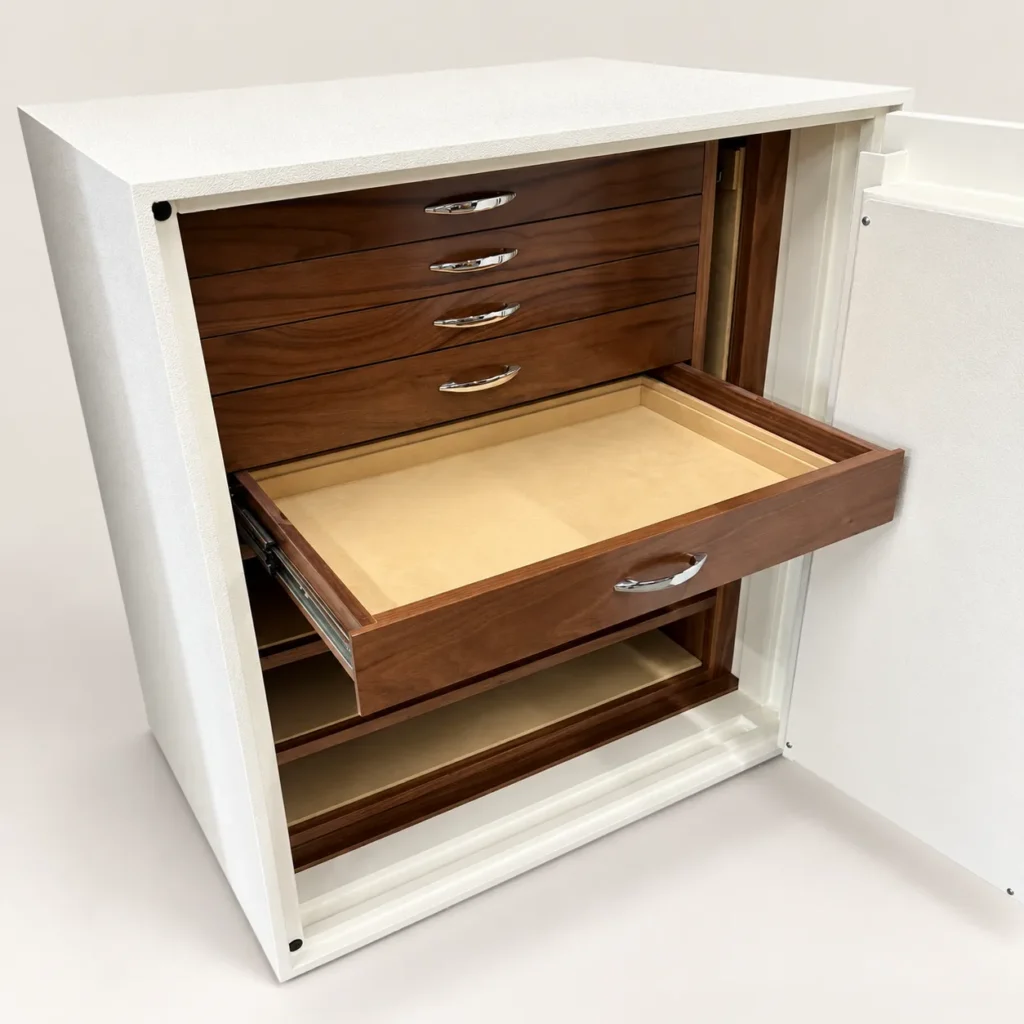
Gem Guard
Since banks have eliminated their safe deposit boxes homeowners are now storing more jewelry at home than ever before. For extremely valuable collections insurance companies often require a homeowner to secure their valuables in a commercial high security UL rated burglary safe to qualify for insurance coverage.
The problem with most safes used for the jewelry industry is that they weigh thousands of pounds and cannot be delivered to homes. This creates a standstill between a homeowner who wants insurance coverage and the insurance company who wants to limit their liability.
There are a few UL burglary ratings ranging in strength from TL15 to TRTL60x6. Depending on the amount of insurance coverage and the level of burglary risk the insurance company will determine which UL rating is required.
For residential security, the TL15 is the most practical high security safe because anything else is almost always too heavy to sit in a home.
What makes the Gem Guard TL15 even more practical is that unlike other TL15 safes that are constructed with composite materials which are still often too heavy, the Gem Guard is constructed with a special high tensile steel instead of composite so it is half the weight of other safes with the same strength and ULTL15 rating. This is ideal for residential deliveries, and why it is the preferred safe for residential insurance coverage.
But for homeowners with exceptionally valuable jewelry and watch collections, another consideration sometimes enters the discussion:
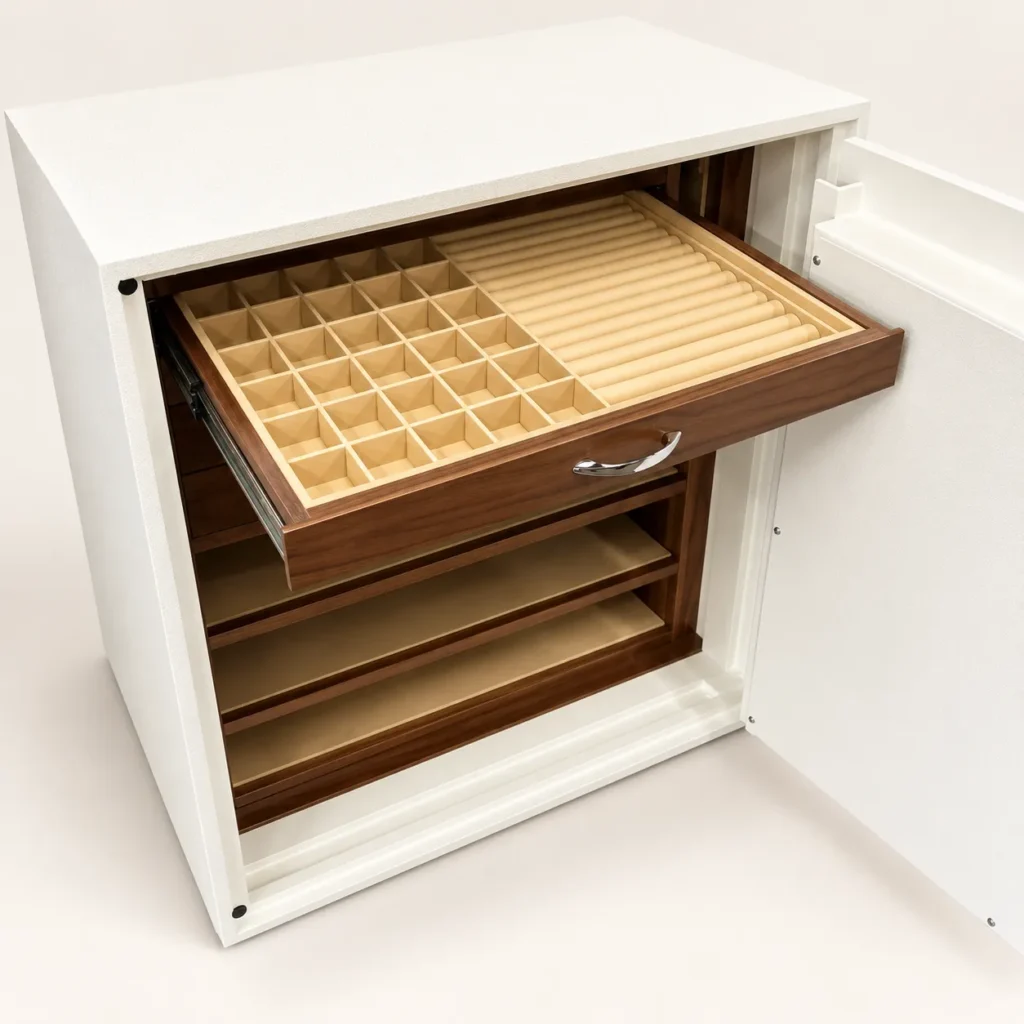
The insurance company may require
a UL-rated burglary safe.
That is when terms such as TL-15, TL-30, TL-30×6 and TRTL begin appearing—ratings more traditionally associated with jewelry stores, banks and other high-security commercial applications.
The challenge is that a safe designed primarily for a commercial environment is not always practical inside a private residence. Elevators, stairways, floor construction, finished interiors, upper-story installations and access through the home can all become important considerations.
At Luxe Safes, we believe the objective should not simply be to purchase the highest security rating available.
The objective is to provide the appropriate level of independently verified security in a safe that can realistically become part of the home.
What Is a UL TL-15 Safe?
A UL TL-15 burglary rating is very different from a manufacturer simply describing a safe as “high security,” “commercial grade” or “burglary resistant.”
A genuine TL-15 safe has been independently evaluated under UL burglary-resistance standards and must successfully withstand a concentrated attack using specified tools and testing procedures.
The “15” refers to 15 minutes of net working attack time under controlled test conditions. It does not mean that somebody simply stands in front of the safe for 15 minutes with a crowbar.
The important distinction is that the level of burglary resistance has been independently evaluated, rather than being based solely upon the manufacturer’s description of its own product.
That distinction becomes particularly important when insurance is involved.
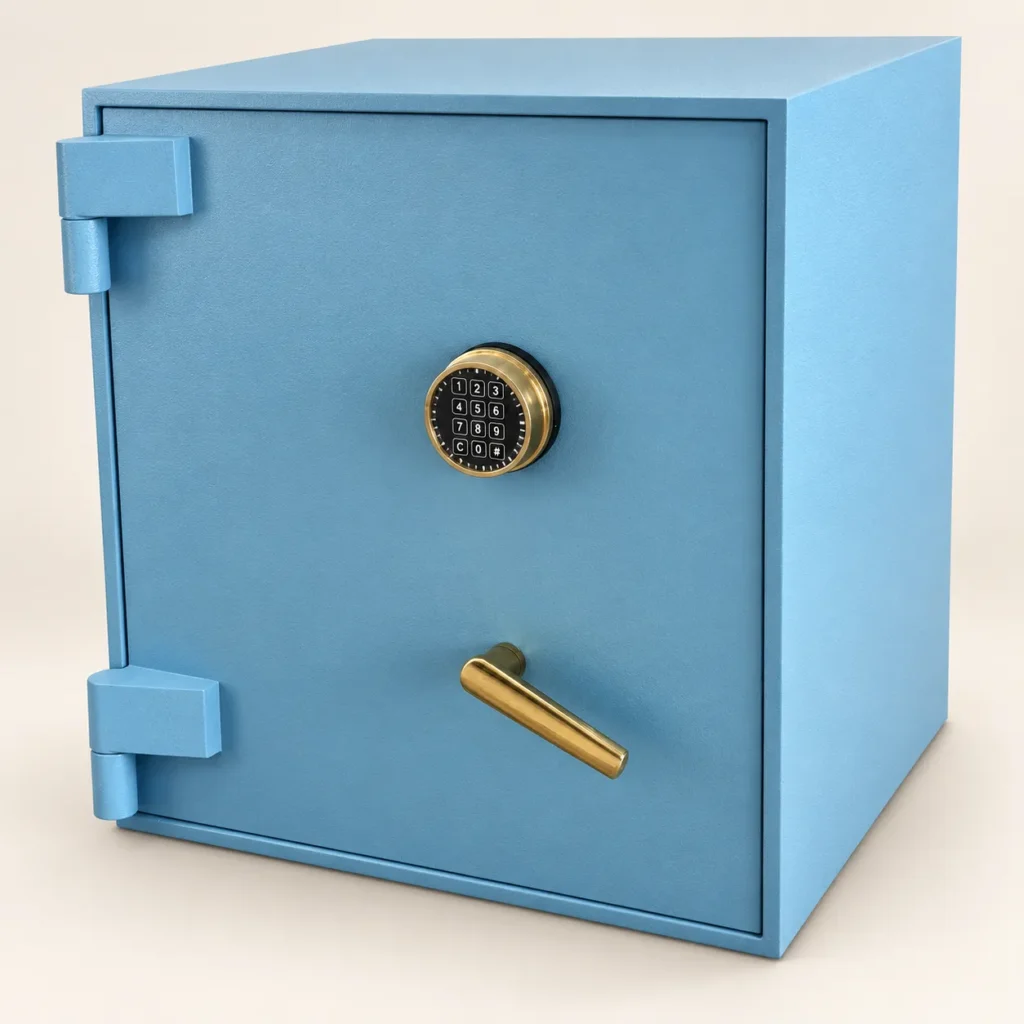
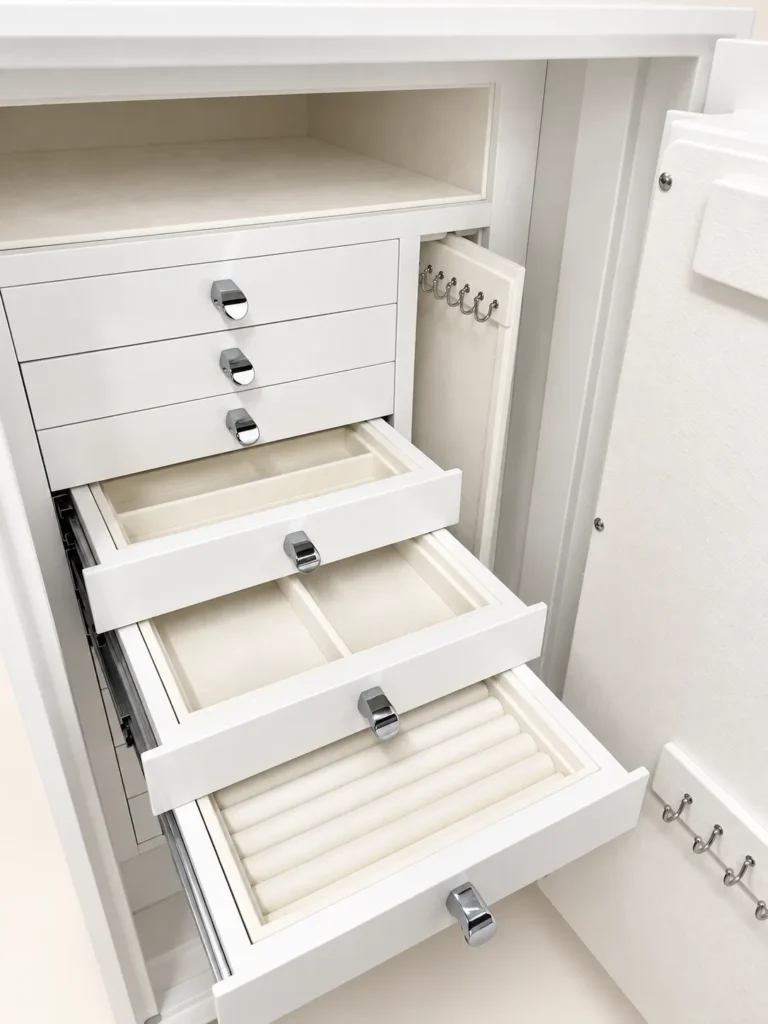
Not Every Safe Advertised as “TL-15” Is a UL TL-15 Safe
This is one of the most important distinctions for a homeowner to understand.
Some safes are advertised using terminology such as:
- “TL-15 equivalent.”
- “Built to TL-15 standards.”
- “Comparable to TL-15.”
- “TL-15 level protection.”
Those descriptions may reflect a manufacturer’s opinion regarding the construction or burglary resistance of its safe. They do not make that safe a UL-certified TL-15 safe. If an insurance underwriter specifically requires a UL TL-15 burglary-rated safe, the homeowner should verify that the actual safe carries the appropriate valid UL TL-15 certification label. A manufacturer’s statement that its safe is “equivalent” to TL-15 is not the same as independent UL certification and may not satisfy an insurance requirement specifically calling for UL TL-15 protection.
That does not necessarily mean an uncertified safe is poorly constructed. It simply means that its claimed level of burglary resistance should not be confused with a genuine UL-certified TL-15 rating.
When insurance coverage depends upon that rating, the distinction can be extremely important.
If the insurance requirement says UL TL-15, make certain you are actually buying UL TL-15.
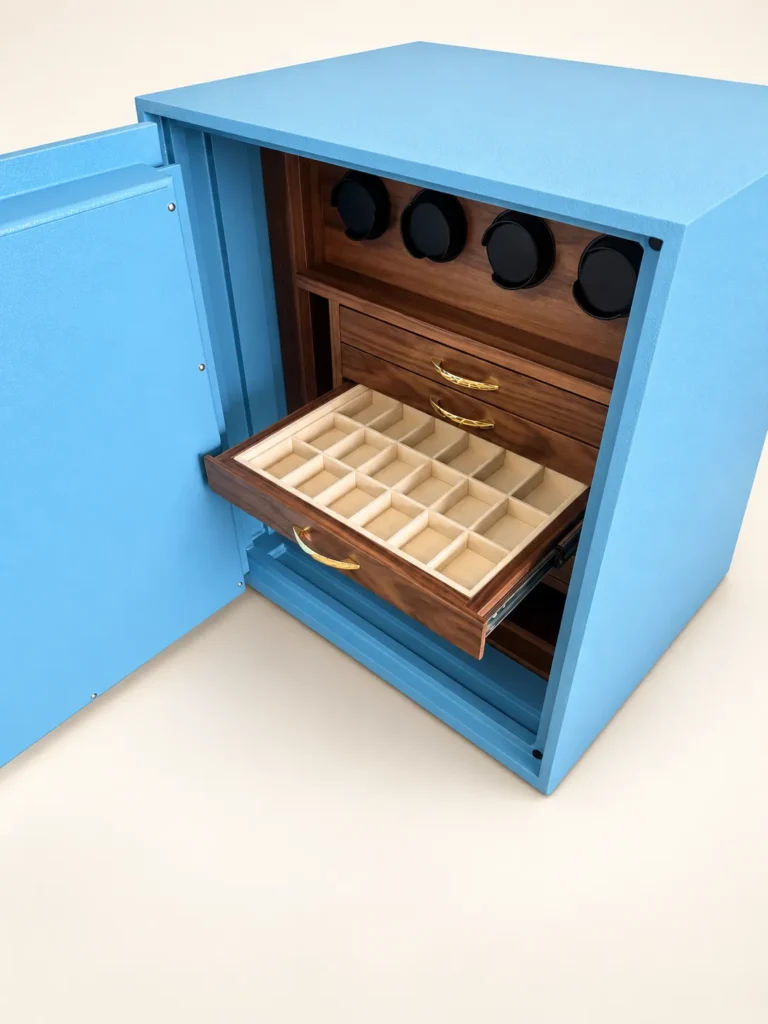
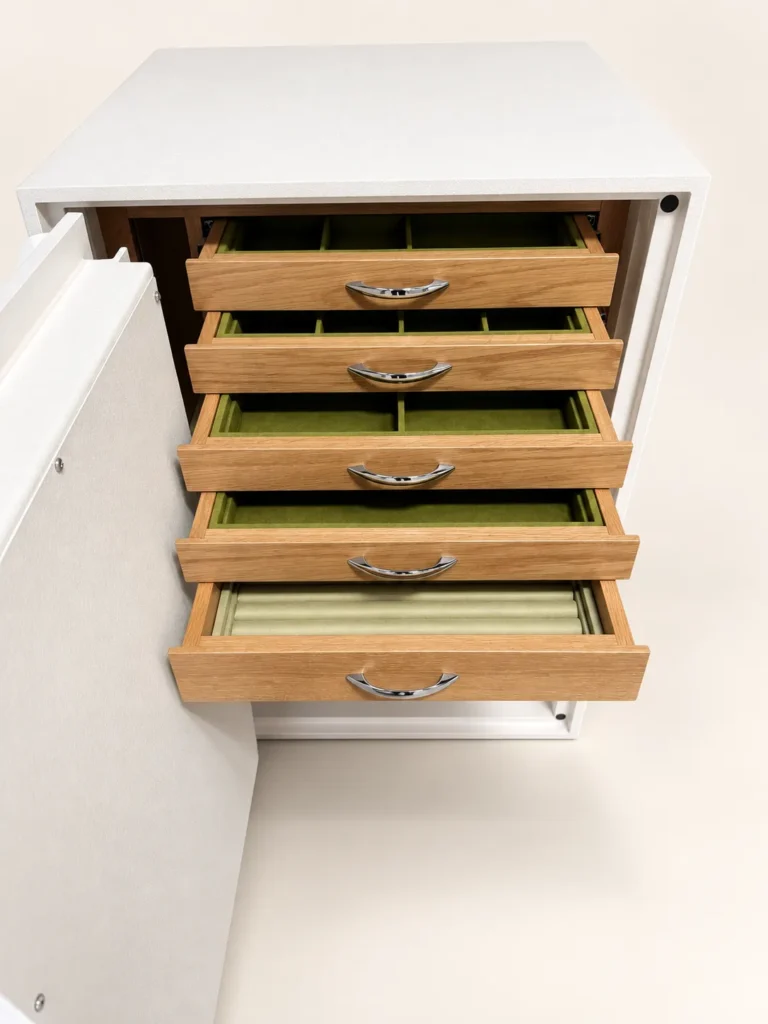
When the Insurance Company Changes the Equation
High-value jewelry insurers and risk-management advisors increasingly recognize the importance of serious in-home burglary protection.
Aon Private Risk Management, for example, has advised owners of valuable jewelry collections that many insurance carriers require in-home safes and has referenced TL-15 as an appropriate minimum burglary rating in that context.
That is significant because it demonstrates that UL TL-rated protection is not limited to jewelry stores, banks and commercial institutions.
It can become a very real consideration for a private homeowner with an exceptionally valuable jewelry or watch collection.
Some high-net-worth insurance recommendations go considerably further.
Chubb, one of the best-known insurers of high-value homes, jewelry and collections, has published guidance suggesting TL-30 or TRTL-rated protection for particularly valuable collections.
There is certainly a security rationale behind those higher classifications.
But they also illustrate an important practical problem.
A burglary rating developed for an extreme commercial risk may not always translate easily into a residential installation.
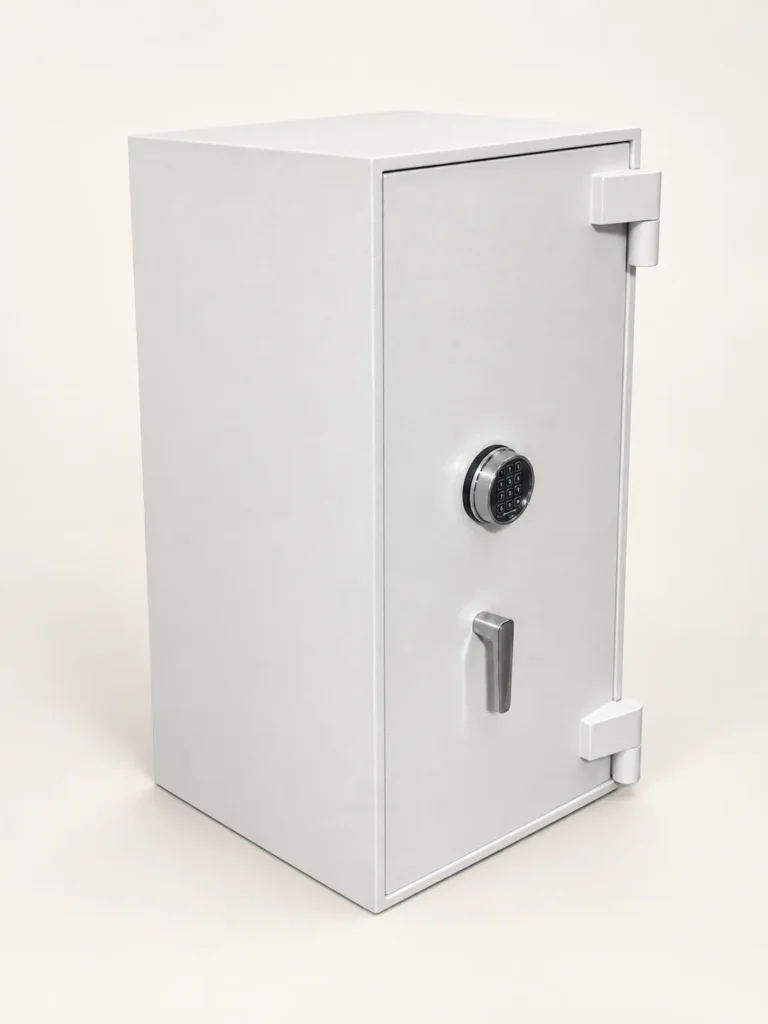
When Commercial Security Meets a Private Home
There is always a higher burglary rating. Beyond TL-15 are TL-30, TL-30×6 and various tool-and-torch-resistant TRTL classifications. These are extraordinary pieces of high-security equipment, and for certain commercial risks they may be entirely appropriate.
But as security requirements increase, the construction necessary to achieve those ratings can become substantially more formidable. That may be perfectly acceptable when a safe is being installed in a jewelry store, bank or commercial facility specifically designed to accommodate high-security equipment.
A private residence is different. Consider where valuable jewelry is actually kept.
Perhaps the safe belongs in a second-floor dressing room. Perhaps it is going into a Manhattan condominium twenty floors above the street. Perhaps it is being installed in a penthouse accessible only through an elevator. Perhaps the residence has marble floors, elaborate millwork, narrow hallways or finished staircases.
At some point, the theoretical advantage of continually increasing the burglary classification begins to collide with the physical realities of the building.
Structural loading may need to be considered. Elevator capacity may become an issue. Specialized rigging may be required. The safe may simply be impractical to place in the room where the jewelry is actually used and stored.
This is why the correct question is not simply:
“What is the highest UL burglary rating available?”
“What level of independently certified burglary protection is appropriate for the collection and can realistically be installed in the residence?”
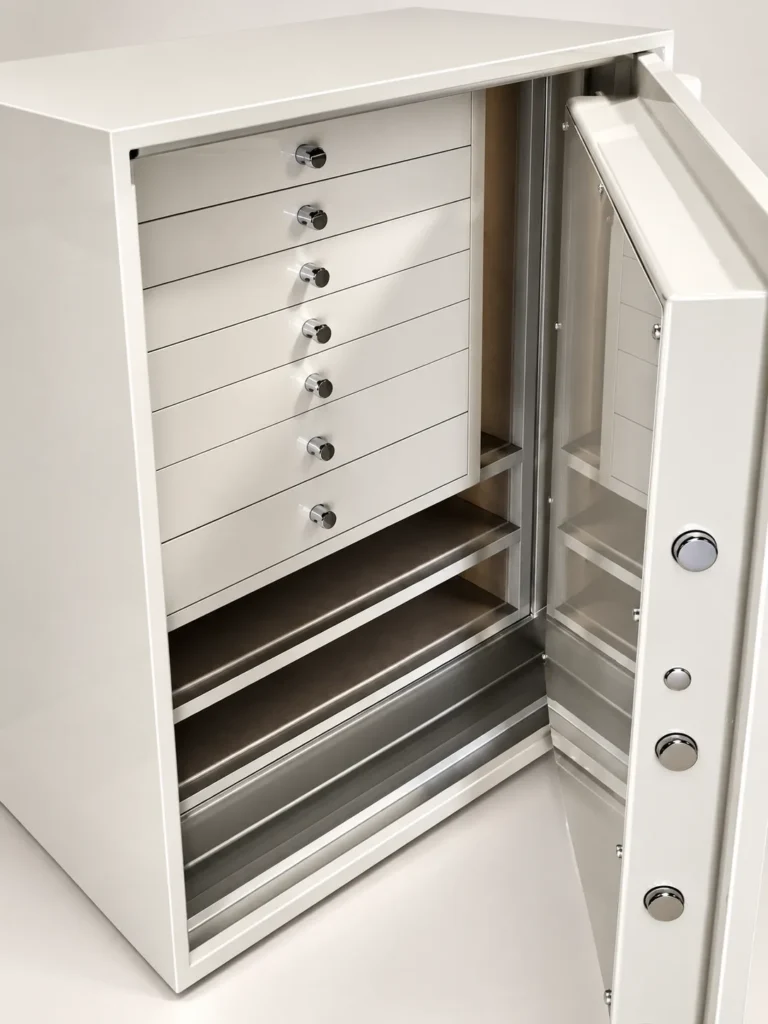
This Is Where the Gem Guard Fits
The Luxe Safes Gem Guard TL-15 was designed specifically around this problem.
It is intended for the homeowner who wants—or whose insurance company requires—the independently verified protection of a genuine UL TL-15 burglary-rated safe, while still needing a safe designed with residential installation in mind.
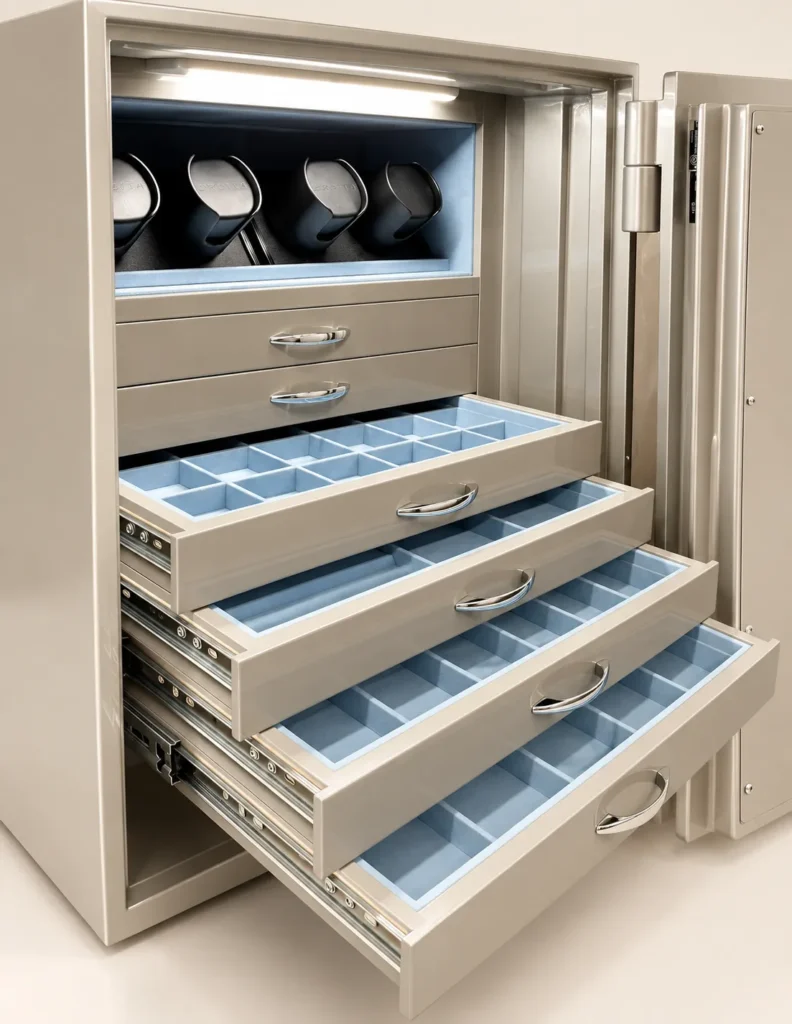
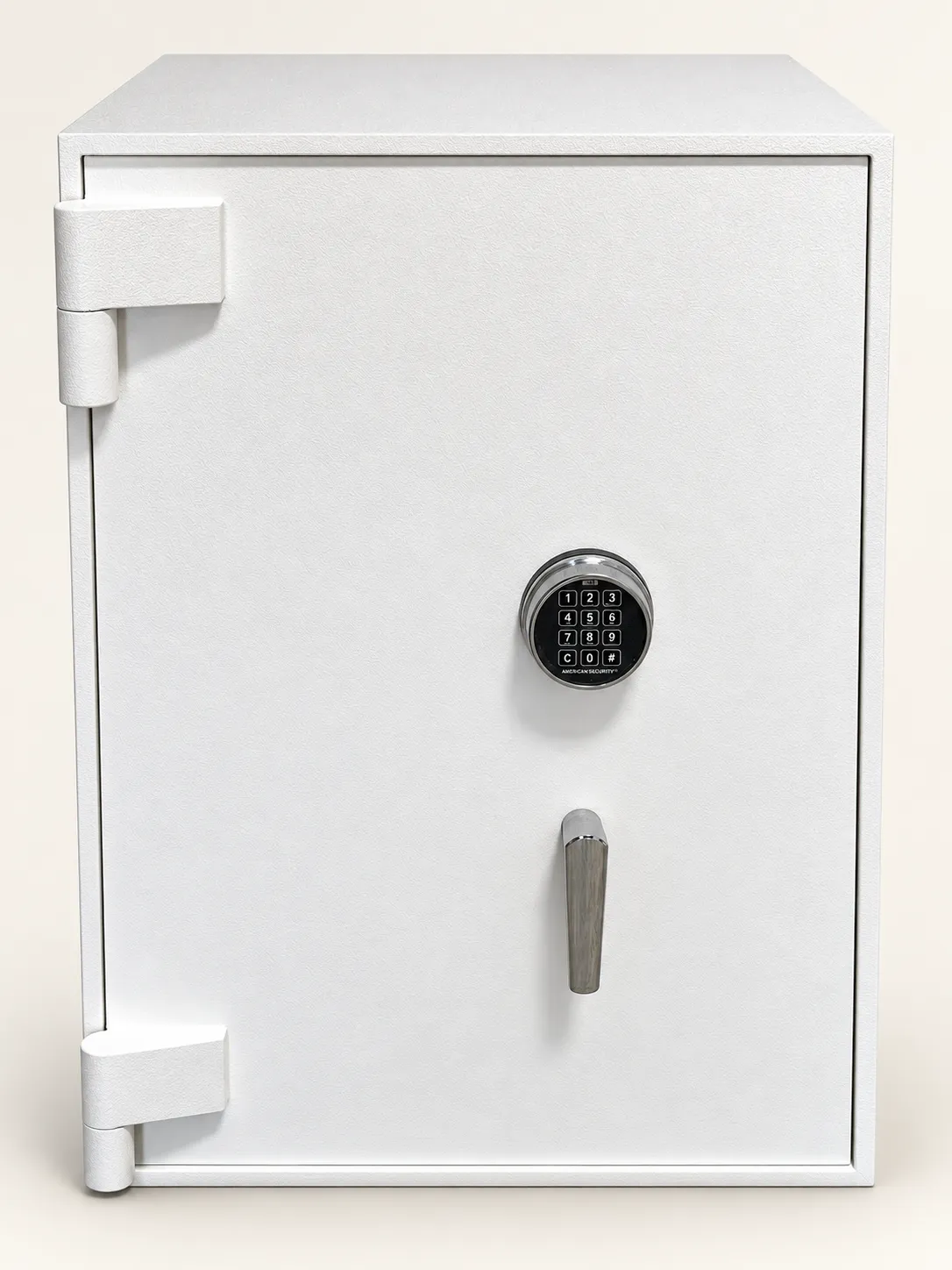
Its high-security construction includes:
- Thick solid high-tensile steel door
- Thick solid high-tensile steel body
- Spring-loaded relocking device designed to activate during an attack
- Drill-resistant composite hardplate protecting the lock
- 1-inch chrome-plated solid steel locking bolts
- Solid steel dead bar helping prevent removal of the door during a forced-entry attempt
- UL-listed high-security lock
- Durable textured exterior finish
- Genuine UL TL-15 burglary rating
But the important distinction is not simply the thickness of the steel or the size of the bolts.
It is the independent UL certification.
When a client’s insurance requirement specifically calls for UL TL-15 protection, the UL label provides objective verification of the burglary classification rather than requiring the homeowner or insurance company to accept the manufacturer’s own assessment.
The burglary rating isn’t something you have to take our word for. The UL label says it for us.
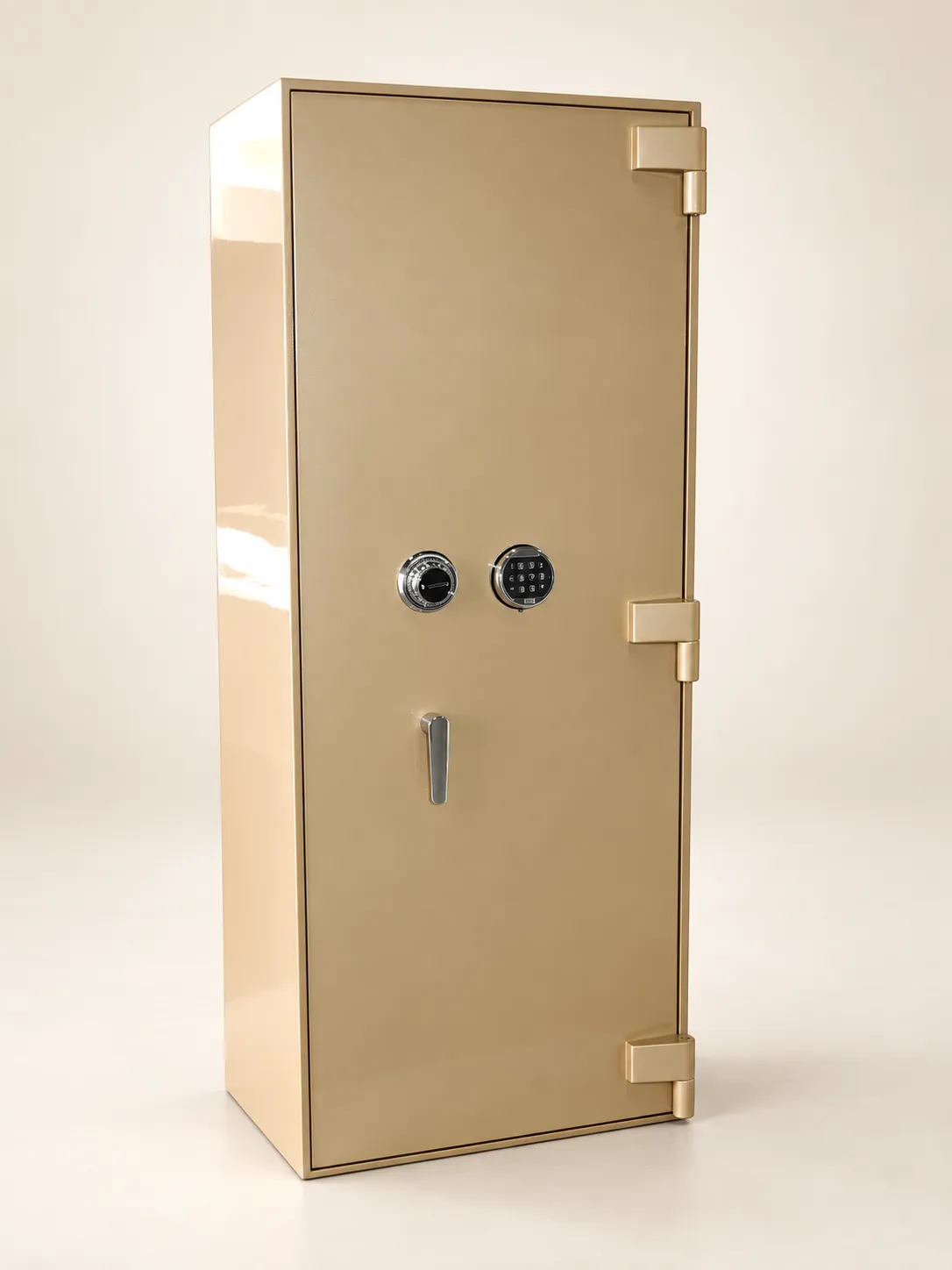
The Bridge Between Residential Luxury and Commercial High Security
The Gem Guard occupies a particularly unusual position in the safe market. It provides commercial high security independently verified by Underwriters Laboratories with the UL TL-15 burglary rating label. Its all-steel construction allows residential installation considerations to remain at the forefront of the design.
For the homeowner whose insurer specifically requires TL-15 protection, that can represent an unusually practical balance between certified security and residential usability.